What Is UI Design and How Does It Differ from UX?
UI design and UX design are tightly linked, but they solve different problems in web design. UI deals with what people view and use on a screen, while UX focuses on the overall experience and feel from first click to final action. For a business in Hempstead, NY, that difference is important because a site that seems refined but is hard to navigate will cost potential customers, while a site that is simple to use but visually underwhelming may fail to build trust.
When businesses invest in SEO services, digital marketing, or work with AI experts, they often think in terms of reach and discoverability. But the actual results come when visitors arrive on the website and quickly grasp where to go, what to do, and why they should stay. That is where UI and UX come together to support conversion rate optimization, higher engagement, and better retention.
What is UI design?
UI design stands for user interface design. It is the visual and interactive layer of a website or app: buttons, menus, forms, icons, page sections, and the way content is organized on the screen. A good UI uses aesthetic principles to build clarity, consistency, and an natural experience for the user.
In practical terms, UI design is about shaping the layout so visitors can rapidly see what the site offers. That includes hierarchy of elements, where the most important content appears first first; color principles, which directs attention and supports brand trust; and typography, which affects readability and overall tone. A modern, polished interface can make a local service business in Hempstead look established and credible, while cluttered screens can make even a good company feel less professional.
UI also includes the details that create a smooth interaction. Simple buttons, consistent icon styles, visible form labels, and logical spacing all support ease of use. Good UI makes https://sunstonedigitaltech.com/ai-experts-in-hempstead/ navigation feel natural and reduces friction. That matters for a visitor looking for hours, pricing, or a phone number on a small screen while moving through Hempstead or nearby Long Island communities.
For example, if a law firm, salon, or contractor in Hempstead has a homepage that places the phone number, services, and contact button in easy-to-see areas, the interface is doing its job. The site does not just look appealing; it helps users act faster.
What is user experience design?
UX design means user experience design. It is the method of crafting how people experience things as they move through a website, from the moment they arrive to the moment they complete a task. UX goes past appearance and asks whether the experience is easy, compelling, and useful.
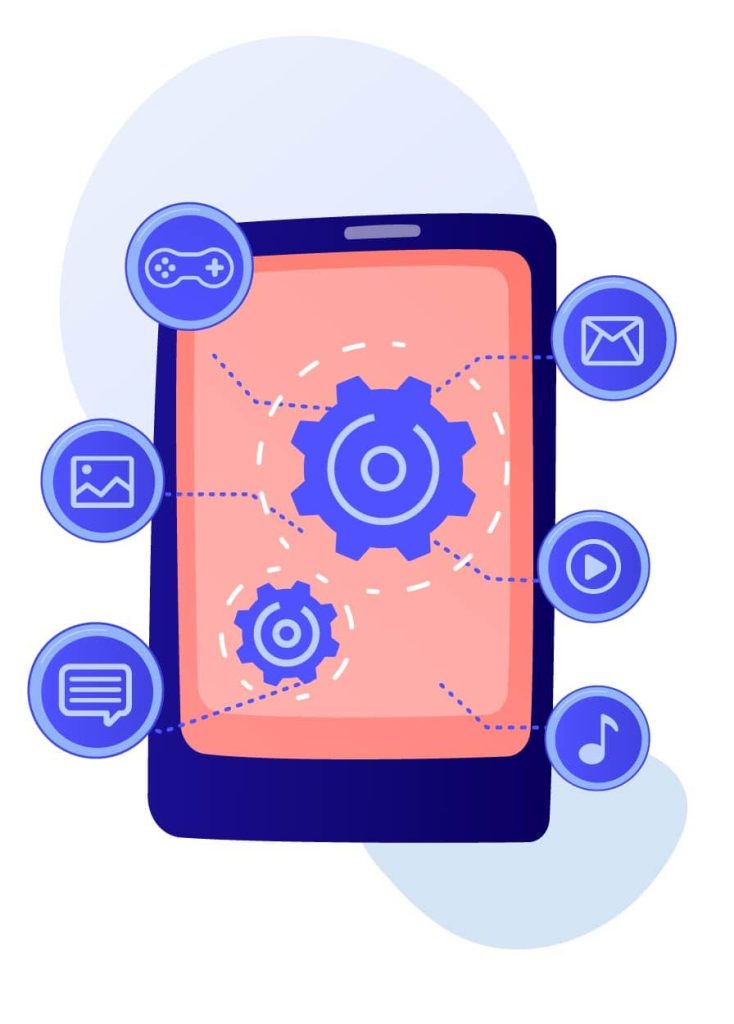
Where UI focuses on the screen, UX focuses on the full user journey. That includes how easily someone finds information, how many steps it takes to contact a business, whether a page loads and behaves as expected, and whether the overall process feels seamless. UX depends heavily on usability, accessibility, and the way content supports real human behavior.
For a Hempstead business, UX often shows up in simple but important ways. Can a mobile visitor find directions in one tap? Is the contact form short enough to complete quickly? Does the site answer common questions before a user leaves to compare other Nassau County competitors? These details influence trust, conversion, and the likelihood that someone will call, submit a form, or request a quote.
UX is also about removing confusion. If a visitor from Hempstead searches on the go and lands on a site that hides key details behind unclear menus, the experience becomes frustrating. But if the site has clear information architecture, obvious paths, and well-structured content, the user feels guided rather than forced. That sense of clarity improves satisfaction and often supports better business outcomes.
User interface vs UX: how do they differ?
The easiest way to distinguish UI and UX is this: UI is what the user looks at and interacts with, while UX is what the user thinks and feels while moving through the site. UI is part of the larger experience, but UX includes the entire framework behind it.
Think of a website like a storefront. UI is the sign, window display, counter, and product presentation. UX is whether customers can enter easily, find what they need, and leave satisfied. Both matter, but they solve different problems.
Interaction design is where the two fields overlap most. It defines how elements respond when users click, tap, scroll, or fill out a form. The interaction should feel consistent and seamless. If a button is too small, if a form errors out without explanation, or if the menu behaves differently on mobile and desktop, the experience becomes frustrating.
Information architecture is another major distinction. It organizes the website’s content so people can find the right page fast. A carefully designed structure supports UX by reducing effort, but it also helps UI by making the visible layout more organized.
Wireframes are often used early in the process to map both UI and UX. They are simplified page sketches that show structure, content order, and functional flow without final colors or branding. Wireframes help teams decide what should appear first, how navigation should work, and whether the page supports the intended goal. In many projects, wireframes lead to stronger prototypes, which are clickable models used to test the experience before development begins.
So, if UI is the surface and UX is the journey, both are needed for a website that is appealing, efficient, and reliable. A strong site in Hempstead, NY must do both well because nearby businesses across Nassau County and Long Island are competing for the same attention.
How user interface and user experience work in tandem in web design
Within effective web design, UI and UX are not isolated parts. They are elements of the same workflow. UX helps establish the structure and user goals, while UI transforms that structure into something visible, functional, and brand-aligned.
Among the most important shared goals is responsive design. A site must respond well to phones, tablets, and desktops. For local businesses, this matters because many visitors are checking services while commuting, comparing options nearby, or searching during a break. A responsive site keeps buttons simple to press, text easy to read, and forms usable across devices.
UI and UX also combine efforts to improve conversion rate. UX determines the most valuable path, such as requesting a quote or booking a consultation. UI then supports that path with visible calls to action, clean spacing, and persuasive content blocks. A high-converting page does not rely on decoration alone; it cuts confusion and makes the next step obvious.
Prototypes help teams test how the design works in practice before launch. They can reveal whether a layout supports the intended user journey, whether the flow feels natural, and whether users can complete key tasks without confusion. This saves time later and leads to better optimization decisions.
When UI and UX are aligned, the website feels seamless. Visitors understand the page structure, trust the brand, and move toward action without unnecessary friction. That combination supports stronger performance across the entire digital presence, not just on the website itself.
Why UI/UX plays a role for SEO services and digital marketing
User interface and user experience have a strong impact on search engine optimization because search engines consider how users interact with a site. If visitors exit early, struggle to find information, or skip interacting with content, it can signal that the page is not meeting intent. Improved UI and UX help people spend more time, visit more sections, and complete actions that matter.
This is why design is a key element of modern SEO services and digital marketing. It is not enough to bring traffic to a website. The site must transform visits into measurable results. Unclear organization, weak navigation, or unclear calls to action can increase bounce rate, which often means users are not finding what they need fast enough. A more natural interface and a better user journey can cut down on friction.
Engagement is an additional key factor. A visitor who goes through a page, clicks to related services, watches a short explainer, or fills out a contact form is more likely to become a lead. Good UI makes this easier by making content attractive and easy to scan, while good UX supports it by keeping the flow clear and useful. Together, they strengthen trust and improve the chance of conversion.
For digital marketing campaigns, design quality matters even more because paid ads, email campaigns, and local landing pages all depend on the destination experience. If the landing page is not clear, the campaign loses budget. If the page is well-designed and user-friendly, the marketing team gets stronger outcomes from the same traffic.
In other words, UI and UX are not just design concerns. They are business concerns. Better design can support better rankings, stronger engagement, and more qualified leads.
UI/UX considerations for Hempstead, NY businesses
For businesses in Hempstead, NY, UI and UX should reflect local search behavior and real customer expectations. Hempstead is a Nassau County community with a diverse local business landscape, so websites need to serve people quickly and clearly. Many visitors are searching for immediate solutions, not browsing for entertainment.
Here is where local SEO and design work together. A company may show up in map listings or local search listings, but the website still has to complete the process. If a user selects from a map result, they should instantly see the service area, phone number, opening hours, and a rapid way to get in touch. The aim is to support local service finding and make it easy for the visitor to take the next step.
This is particularly important for a website for a small business. Local companies in Hempstead often compete with other Nassau County and Long Island businesses that provide similar services. Better UI/UX can be the difference between getting a call and losing the lead to a competitor. A site that looks modern, feels clear, and seems credible can gain trust sooner than one that is messy or outdated.
Mobile-centric design is crucial in this context because numerous users search on the go. Someone in Hempstead may be looking for a plumber, attorney, dentist, restaurant, or home service provider while waiting outside, riding the train, or moving between appointments. On a small screen, poor spacing or confusing navigation creates a real barrier. Mobile-centric thinking ensures the most important actions are available immediately.
Neighborhood website design should also enable actionable conversions like call clicks and contact form submissions. Those signals are often the primary indicators of success for a Hempstead business website. Easy-to-see buttons, clearly displayed phone numbers, brief service summaries, and streamlined forms all assist turn local traffic into actual business opportunities.
How AI experts are reshaping UI/UX workflows
AI experts are transforming the way teams tackle design, testing, and optimization. Today, AI tools can assist evaluate user behavior, spot friction points, and streamline early-stage research. They can assist with content planning, layout variations, and even design recommendations that boost workflow efficiency.
One major area of change is personalization. AI can help customize content and interfaces based on user behavior, location, or browsing patterns. For a local business, this might mean showing service information that fits a visitor’s likely intent or bringing forward the most relevant call to action sooner. When used carefully, personalization can make the experience feel more relevant and engaging.
Another important area is A/B testing. Instead of assuming which headline, button color, or page structure will work best, teams can test variations and compare which version improves conversion. AI can speed up this process by identifying test ideas, segmenting audiences, and analyzing results more efficiently. That leads to smarter optimization decisions.
AI does not replace strategy, but it can enhance the workflow for designers, marketers, and developers. It helps teams move faster while maintaining consistency, functionality, and user focus. For Hempstead businesses competing in a busy local market, that means quicker iteration, better user experiences, and more trustworthy websites.
FAQ
What is the difference between UI design and UX design?
UI design focuses on the visual and interactive parts of a website, such as buttons, layout, color, and typography. UX design focuses on the overall user experience, including usability, navigation, information architecture, and how easy it is to complete a task. UI is what people see; UX is how the experience feels.
Is UI design part of web design or a separate discipline?
UI design is a major part of web design, not a separate discipline. Web design includes both the visual presentation and the functional experience of a site. UI handles the look and interaction layer, while UX shapes the journey, structure, and usability behind it.
How do UI and UX affect SEO services and rankings?
user interface and user experience influence how visitors behave on a site. Clean design, strong navigation, and improved accessibility can lower bounce rate, boost engagement, and improve conversion. Those behaviors support search engine optimization efforts by making the site more helpful and valuable to visitors, which is crucial for SEO services and digital marketing performance.
Why does mobile-first design matter for Hempstead, NY businesses?
Mobile-first design plays a role because many local users in Hempstead, NY browse on their phones while on the go. A mobile-friendly site makes it easier to find directions, use tap-to-call, and send a form quickly. This is very important for local SEO, map results, and small business website conversions across Nassau County and nearby Long Island areas.
Sunstone Digital Tech34 Willis Ave, Mineola, NY 11501
(315) 758-3349
https://maps.app.goo.gl/raW1XN7K3jzLKAPz9
https://sunstonedigitaltech.com/hempstead-digital-marketing-agency
40.7400795, -73.6357138
How can AI experts improve UI and UX for a local website?
AI experts can use AI tools to analyze user behavior, boost personalization, and run faster A/B testing. That helps businesses fine-tune layouts, improve content, and simplify the workflow for design decisions. For a local website, AI can promote better interaction patterns, stronger trust, and more effective conversion optimization.